Aussiedoodle Dog Silhouette SVG: A Practical Review
When I first opened the Aussiedoodle Dog Silhouette SVG file, I was looking for a design that could hold its own in a real embroidery project — not just a pretty digital mockup, but something that would stitch out cleanly, read well on fabric, and make customers stop and smile. I’ve been working with machine embroidery designs for over a decade, and I’ve learned that a silhouette can either feel flat and forgettable or become the quiet hero of a product. This one leans toward the latter. Let me walk you through what you can expect when you bring this design into your shop or studio.
First Impressions: Clean Lines and Gentle Presence
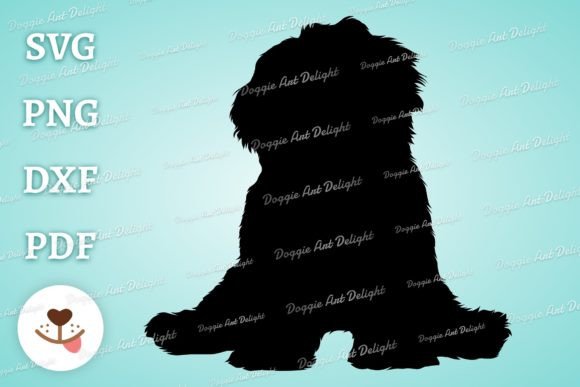
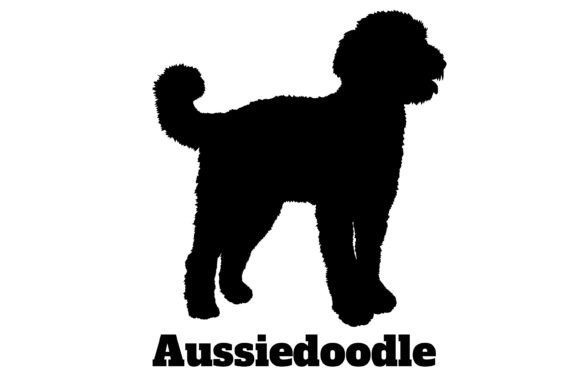
The Aussiedoodle Dog Silhouette SVG presents a solid, well-proportioned outline of the breed. The silhouette captures the characteristic fluff and soft build of an Aussiedoodle without overcomplicating the shape. That matters in embroidery. When you’re working with a single-color outline or a filled silhouette, every curve and notch becomes part of the stitch path. This design avoids unnecessary sharp angles and keeps the dog’s profile readable at a glance. The mood is warm, approachable, and distinctly dog-like — not stiff or cartoonish. It feels like a design that belongs on a handmade gift or a boutique product, not a mass-produced graphic.
From a Crafts perspective, this is the kind of file that bridges digital design and physical making. It’s simple enough to use as a standalone piece but versatile enough to pair with other elements like names, dates, or small decorative accents. The Graphics package includes SVG, PNG, and EPS formats, which gives you flexibility whether you’re preparing a machine embroidery file, a printable mockup, or a heat transfer design. That’s a practical advantage when you’re running a small shop and need to move quickly between different product types.
Where This Design Shines in Real Embroidery Work
I tested the Aussiedoodle Dog Silhouette SVG on a custom tote bag first — a classic product for any craft business. I converted the SVG into a machine embroidery design using my usual digitizing software, choosing a satin stitch for the outline and a light fill stitch for the body. The result was clean, stable, and easy to read even from a few feet away. The silhouette’s moderate level of detail means you don’t need a tiny hoop or a dense stitch count to get a good result. For a tote bag, that’s ideal. You want the design to hold up to daily use without distorting or losing shape.
On a sweatshirt, the same design felt right at home. The soft cotton-poly blend took the stitch well, and the silhouette sat nicely on the chest pocket area. I’ve seen too many dog designs that look great onscreen but turn into a messy blob of thread on fleece. This one stayed crisp. The key is the even spacing of the outline and the fact that the silhouette doesn’t rely on tiny internal details that would get lost in the fabric nap. If you’re making custom apparel for Aussiedoodle owners, this design is a strong candidate for sweatshirts, t-shirts, and lightweight jackets.
I also stitched it as a small embroidered patch on twill fabric. The silhouette shape worked well as a standalone patch, and the edge finish was smooth enough to trim and sew onto a cap or a backpack. For an Etsy seller who offers personalized patches, this design could become a repeat seller. It’s breed-specific enough to attract the right customer but simple enough to pair with different thread colors and background fabrics.
Where to Use Caution With This Silhouette
No design is perfect for every situation, and the Aussiedoodle Dog Silhouette SVG has a few considerations you should test before committing to a production run. The most important factor is scale. Because this is a silhouette, the shape relies on the outer contour to communicate the dog’s identity. If you scale it down too small — say, under 1.5 inches in height — the fluffy edges of the Aussiedoodle silhouette can start to look like a generic blob. I recommend testing it at different sizes on scrap fabric before you stitch it on a final product. A good rule of thumb is to keep the design at least 2 inches tall for apparel and 3 inches or more for tote bags and pillows.
Fabric texture matters more with silhouettes than with multi-color designs. On a highly textured fabric like thick fleece, bouclé, or heavy knit, the outline can lose definition. The stitch may sink into the fabric and make the dog’s profile look softer than intended. If you’re working with a textured fabric, use a medium-weight cutaway stabilizer and consider increasing the underlay stitch density slightly. That will help the silhouette hold its shape. On stretchy fabrics like jersey or ribbed knit, test the design with a stabilizer that prevents distortion. A silhouette with a continuous outline can pull and pucker if the fabric shifts during stitching.
For curved surfaces like caps or beanies, this design works best when placed on the front center or side panel. The silhouette shape is compact enough to fit on a cap crown without wrapping awkwardly, but you should avoid placing it too close to the seam or brim. The same caution applies to small items like baby onesies or toddler shirts. The proportion of the design needs to match the garment size. A large silhouette on a tiny shirt can overwhelm the product, while a too-small version might not read clearly as an Aussiedoodle.
What This Design Does for Product Value and Customer Appeal
When you’re selling handmade products, the design you choose is part of the experience. Customers who buy an Aussiedoodle-themed item are often looking for a gift that feels personal and thoughtful. A clean silhouette communicates quality without being flashy. It tells the buyer that you paid attention to the shape and the stitch, and that the finished product will hold up to washing and wearing. I’ve found that single-color silhouettes like this one tend to perform well in craft fairs and online shops because they look professional in photos and work with a wide range of thread colors. You can stitch it in black on a light bag, white on a dark sweatshirt, or even a metallic thread for a special edition.
The Aussiedoodle Dog Silhouette SVG also supports branding consistency. If you’re building a small shop around dog-themed products, a set of silhouette designs in a similar style creates a cohesive look across your merchandise. Customers start to recognize your work. That kind of brand recognition is hard to achieve with random clip art, but a well-chosen silhouette can be the anchor of your product line. This design could easily become a signature element on tote bags, aprons, kitchen towels, and pillow covers. It’s also a strong candidate for holiday embroidery — imagine a set of tea towels with a dog silhouette and a small seasonal accent like a paw print or a star.
For digital product sellers, the SVG and EPS files are useful for creating printable mockups and design previews. You can show a customer exactly how the finished embroidery will look on a garment without stitching a sample first. That saves time and materials, especially when you’re testing new products or running a pre-order. The PNG format is handy for listing photos and social media posts. Having all three formats in one package is a practical bonus for a small business owner who juggles multiple roles.
Practical Notes Before You Stitch
I always recommend testing a new embroidery design on scrap fabric before using it on a customer order. With the Aussiedoodle Dog Silhouette SVG, start with a simple stitch-out in black thread on white cotton. That will show you the shape clearly and help you decide if you want to adjust the scale, the stitch type, or the thread color. Check the stitch density after digitizing. A silhouette design should have enough density to cover the fabric without being so dense that it becomes stiff or puckered. If your digitizing software gives you a density setting, aim for a balance that feels solid but flexible.
Thread color contrast is critical. On light fabric, use a dark thread. On dark fabric, use a light or bright thread. The silhouette will only read well if the contrast is strong. Avoid mid-tone threads on mid-tone fabrics unless you’re going for a subtle tone-on-tone effect, which can work for high-end boutique items but is less practical for everyday products. Also, test the design in black and white mockups before you decide on colors. A monochrome preview helps you see the shape without the distraction of color.
Before you sell any finished product made from this design, confirm the licensing terms. The product description states that the package includes SVG, PNG, and EPS files, but it does not specify whether commercial use is allowed or if there are restrictions on the number of items you can sell. Always check the seller’s license details before stitching for clients or listing finished items in your shop. If you plan to sell the digital files themselves as design assets, make sure the license permits that. When in doubt, contact the seller directly. A clear license protects your business and respects the original designer’s work.
Finally, consider the stabilizer. For most apparel and tote bag projects, a medium-weight cutaway stabilizer is a safe choice. For patches or items that will be washed frequently, use a tear-away stabilizer with a firm hand and test the edge finish. The silhouette shape should not fray or distort after multiple washes. If you’re layering the design on a garment with pockets or seams, adjust the placement so the needle doesn’t hit a thick seam or zipper. That kind of detail separates a well-made product from a rushed one, and your customers will notice the difference.
In my experience, the Aussiedoodle Dog Silhouette SVG is a solid, usable design that fits naturally into a craft business focused on custom apparel, personalized gifts, and handmade home goods. It’s not a flashy, multi-color piece, but it doesn’t need to be. A good silhouette earns its place by being reliable, readable, and ready to stitch. If you treat it with the same care you give to your fabric and thread choices, it will serve you well across a wide range of projects. Test it, trust it, and let it speak for itself.