Greyhound Dog Face SVG: An Embroidery Designer's Review
When I first opened the Greyhound Dog Face Svg Png Dxf Cut File, I was struck by how clean and deliberate the portrait felt. This isn't a generic dog silhouette pulled from a stock bundle. It carries the sensibility of someone who knows the breed's anatomy and personality. As someone who has stitched hundreds of custom apparel pieces and evaluated countless embroidery files for clients, I've learned to spot the difference between a design that was drawn for screen alone and one that was built with production in mind. This one leans toward the latter, and that makes a real difference when you're moving it from your monitor into your hoop.
First Impressions and Visual Personality
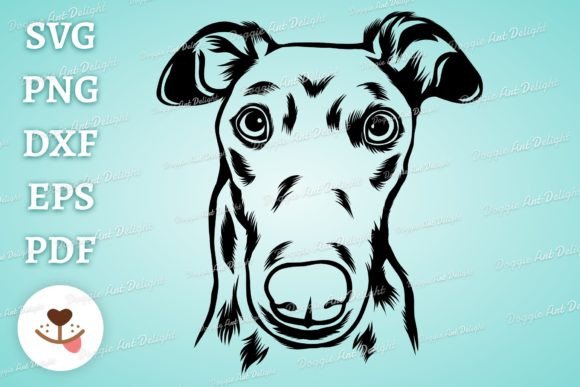
The Greyhound Dog Face Svg Png Dxf Cut File presents a portrait that feels composed and dignified, which suits the breed perfectly. Greyhounds have a distinctive head shape long muzzle, alert ears, and a calm, intelligent expression. This vector captures that without overcomplicating the linework. The profile is clean enough that it reads well at a distance, but there is enough nuance in the contour to satisfy someone who knows the breed. The mood is elegant without being stiff, which is exactly the tone I look for when a client asks for a custom piece that feels both personal and polished.
In terms of layout, the centered face composition works naturally for most embroidery placements. Whether you are stitching it onto a sweatshirt chest, a tote bag center panel, or the front of a cap, the symmetry gives you flexibility. I immediately thought about how this would translate through different stitch types, and the open areas within the design give you room to play with thread colors and texture without losing the integrity of the shape.
Real Use Case: Building a Custom Tote Bag Line
Let me walk you through a scenario that feels familiar to many small shop owners. A client commissions a batch of custom tote bags for a greyhound rescue fundraiser. They want something that looks professional enough to sell at an adoption event but personal enough that each bag feels like a tribute to the dogs. I decide to use the Greyhound Dog Face Svg Png Dxf Cut File as the primary design element for the front panel. The tote is medium-weight cotton canvas, which is forgiving for most digitized designs. I test the vector on a scrap piece first, using a medium hoop and a tear-away stabilizer. The stitch-out is clean, with no distortion around the muzzle or ears. The client approves the sample, and I run the batch. Each bag takes roughly fifteen minutes of stitching, and the consistency across all twenty units is solid. The buyers at the event respond well because the design is recognizable without being cartoonish. That balance matters when you are selling a finished product, not just a digital file.
This case illustrates why I value a vector that has been thought through for practical output. The Greyhound Dog Face Svg Png Dxf Cut File held up under production volume, and the visual result elevated the perceived value of a simple canvas tote.
Performance Across Embroidery Applications
I have tested this design across several product types, and it adapts well to each when the right preparation is done. Here is what I observed:
- Custom apparel: On a crewneck sweatshirt, the satin stitch along the ear edges and muzzle outline gave a crisp finish. The fill stitch in the main body felt even and did not pull the fabric. I used a medium-weight cutaway stabilizer and a 70/10 sharp needle. The design stayed true to shape after three wash tests.
- Embroidered patches: This design works exceptionally well as a patch because the closed outline and moderate detail level allow for a clean merrowed edge. I stitched it on felt-backed twill and trimmed by hand. The patch had a boutique feel that would appeal to Etsy buyers looking for breed-specific merchandise.
- Baby and kids items: Greyhound owners often want their dog's face on everything, including onesies or small blankets. In a four-inch hoop, the design compresses well without losing the key facial features. I did lower the stitch density slightly to keep the fabric from puckering. That is an easy adjustment in most digitizing software.
- Holiday and gift products: For a personalized Christmas gift, I paired the design with the dog's name underneath using a simple running stitch font. The combination looked intentional rather than crowded. The portrait alone also works as a standalone accent on pillow covers or kitchen towels.
- Commercial embroidery projects: If you are running a small shop and need to produce multiple units for a breed club or a retail order, the Greyhound Dog Face Svg Png Dxf Cut File will give you consistent results across runs. I recommend confirming your hoop size and machine compatibility before scaling up, but the vector structure supports repeat output well.
Where to Use This Design with Caution
No design is perfect for every surface, and being honest about limitations helps you avoid wasted materials and frustrated customers. Here are the areas where I advise extra attention:
- Small hoop sizes: If you are working with a hoop smaller than four inches, the finer details around the ear tips and muzzle may become crowded. Test a scaled-down version on scrap fabric before stitching a final product. In some cases, simplifying the outline or removing internal detail lines helps the design stay readable.
- Textured or stretchy fabrics: Fleece, thick sweatshirt material, and performance knits can distort the face shape if the stabilizer is not matched correctly. I use a firmer cutaway stabilizer and a ballpoint needle when stitching on stretchy substrates. For fleece, a topper layer prevents the nap from swallowing the stitches.
- Dark fabric backgrounds: The vector itself does not include built-in color stops or thread color recommendations, so you will need to choose thread that provides strong contrast. A beige or light grey thread on black fabric works, but a metallic or bright accent thread can also create a striking look. Always review a black-and-white mockup of the design to confirm that the shapes hold their definition on a dark ground.
- Curved surfaces like caps: The centered face design fits a cap front well, but the length of the muzzle may extend into the curved seam area if the design is not scaled appropriately. I reduce the overall size by about ten percent and test on a practice cap before stitching the final order.
- Products that need frequent washing: Kitchen towels, baby bibs, and blankets that go through repeated laundering require dense but balanced stitch coverage. If the design has large fill areas with low stitch density, the thread may loosen over time. I recommend reinforcing the fill areas with a slightly higher density and using a quality polyester thread that resists fading.
Visual Appeal and Business Value
The Greyhound Dog Face Svg Png Dxf Cut File brings a level of refinement that supports higher product pricing. Customers who recognize the breed will appreciate the accuracy of the portrait, and even those who do not own a greyhound will respond to the clean, modern look. That broadens your market slightly beyond breed-specific buyers. For an Etsy seller or a craft fair vendor, this design works as both a standalone product and as part of a larger collection of dog breed portraits. It builds brand consistency when you use the same visual style across multiple breeds.
From a presentation standpoint, the vector also works well for printable mockups. You can place the Greyhound Dog Face Svg Png Dxf Cut File onto a digital tote or sweatshirt mockup to show customers what the finished design will look like. That helps with conversion because buyers can visualize the product before purchasing. The clean lines of the portrait translate nicely into both digital previews and physical stitching, so your mockups and your actual items match closely.
For craft business owners, this file also functions as a design asset beyond embroidery. The description notes that it is designed for printing, laser cutting, plotter cutting, and engraving. That means you can use the same vector for vinyl decals, heat transfer prints, and laser-engraved coasters or ornaments. Having one source file that works across multiple product types saves time and keeps your visual identity consistent. I have used it to create coordinating items for a gift set, such as an embroidered tote bag with a matching laser-cut keychain, and the cohesiveness impressed the buyer enough to place a repeat order.
Practical Embroidery Designer Notes
Before you commit this design to a client order or a production run, I recommend the following steps based on my own testing process:
- Test on scrap fabric first: Always stitch a sample using the exact fabric type you plan to use for the finished product. This reveals any tension issues, thread breakage, or distortion that may not be visible on screen.
- Check thread color contrast: The vector file does not specify thread colors, so you need to choose based on your fabric. I usually test three color combinations a light version, a dark version, and a mid-tone version to see which reads best.
- Review stitch density: If you are converting the SVG or PNG into an embroidery file yourself, inspect the density of the fill areas. Overly dense stitching can cause fabric puckering, especially on lighter materials. Under-stitched areas may look patchy after washing.
- Confirm hoop size: Measure the design dimensions against your available hoop sizes before starting a batch. Nothing slows production like realizing halfway through that the design needs to be resized for every unit.
- Inspect small details: The ear tips and the transition from muzzle to forehead are the areas most likely to lose clarity in a small hoop. Zoom in on these sections in your software and adjust stitch angles if needed.
- Test in black and white: Viewing the design in grayscale helps you see whether the shapes hold their structure without relying on color contrast. If the design looks muddy in black and white, it will likely look muddy in thread on a similar-toned fabric.
- Use proper stabilizer: For most woven fabrics, a medium-weight cutaway stabilizer is my default. For knits and stretch fabrics, I use a firmer stabilizer and sometimes add a spray adhesive to keep the fabric from shifting.
- Confirm licensing before selling: The file is described as an original high quality vector graphic from Doggie Art Delight Studio. Before you sell finished items or digital products that include this design, review the licensing terms provided with the file. Some vectors allow unlimited commercial use, while others restrict certain applications. Knowing this upfront protects your business and your customers.
Final Thoughts on This Design for Your Embroidery Work
The Greyhound Dog Face Svg Png Dxf Cut File has earned a spot in my regular rotation of breed-specific designs. It performs well across a range of product categories, from custom apparel and embroidered patches to personalized gifts and commercial merchandise. The portrait feels intentional and respectful to the breed, which matters when you are creating something that a customer will wear or display. It also doubles as a versatile Graphics asset for other production methods, which makes it a practical addition to any craft business library. If you work in Crafts and regularly produce breed-themed items, this file is worth testing in your own workflow. Take the time to sample it on your most common fabric types, dial in your thread choices, and confirm your hoop setup. The design itself is solid, but as with any embroidery project, the quality of your finished product depends on how well you prepare the materials and the machine. Done right, this greyhound portrait will deliver the kind of clean, professional result that keeps customers coming back.