Husky Dog ClipArt SVG: A Hands-On Project Review
As someone who regularly digitizes and stitches out designs for client orders, I have learned to look at standard SVG files with a critical eye. A pretty graphic does not always translate into a beautiful embroidery result. When I came across the Husky Dog ClipArt SVG, I was immediately drawn to its potential for a custom order—a birthday gift for a friend who owns two huskies. I needed something that felt personal, pet-friendly, and stitchable. Let’s break down how this file performs when you move it from the digital canvas to the hoop.
First Impressions: Composition and Embroidery Readiness
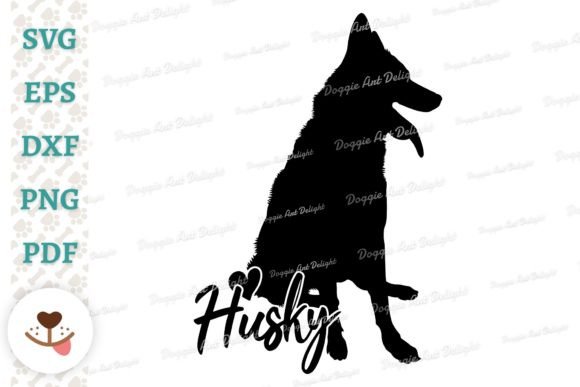
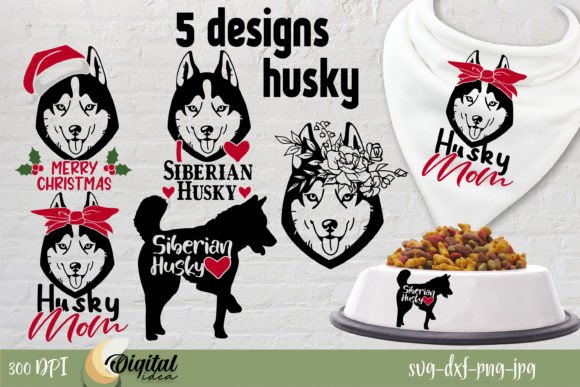
The Husky Dog ClipArt SVG presents a clean, recognizable silhouette of a husky face. The defining features—the pointed ears, the distinctive mask pattern around the eyes, and the thick ruff of fur—are all present and well-balanced. For embroidery, this is a strong starting point. The solid shapes and clear lines suggest it will translate well into fill stitches and satin stitch borders. The mood is alert and friendly, which makes it a good fit for a wide range of projects, from pet-lover apparel to cozy home decor. In the world of digital Crafts and Graphics, finding a husky design that balances visual detail with stitchability is a real win for anyone running a small shop.
From Screen to Stitch: Testing on a Tote Bag
I decided to test the Husky Dog ClipArt SVG on a custom tote bag project. Tote bags are a staple in any craft business lineup, and they handle a moderate stitch density well without excessive puckering. After importing the SVG into my digitizing software, I mapped out the stitch angles to follow the natural flow of the fur around the cheeks and forehead. The mask feature allowed for a clean three-color breakdown—white, light gray, and a dark charcoal for the accents. I used a dense satin stitch for the eyes and nose to ensure they stood out clearly against the lighter fur. The fill stitch mapped well for the main body of the face, and the running stitch details added just enough texture to the ears. The result was a clean, professional look that held up beautifully on the twill fabric. This is exactly the kind of machine embroidery design that feels premium when stitched out, not flat or overly digitized.
Building a Product Line for Etsy and Craft Fairs
For Etsy sellers and handmade shop owners, this design offers solid versatility. The Husky Dog ClipArt SVG can be the foundation for several distinct products. Embroidered patches are an obvious choice—stitch it out on felt or twill, add a merrowed edge, and you have a high-margin small shop product. It also works beautifully on sweatshirt embroidery, baby embroidery for husky-themed nurseries, or holiday embroidery gifts for dog owners. Because the zip folder includes SVG, DXF, EPS, PDF, JPG, and PNG file formats, it integrates smoothly into most design workflows, whether you are cutting a stencil for a wood sign or loading a file into your embroidery machine. I also appreciate that this can be used as a printable mockup for listing photos, which helps maintain a cohesive brand look. Just remember to review the commercial license included with your purchase before selling finished products or using it as a design asset for client work.
Hoop Sizes, Fabrics, and Stabilizer Choices
This is where practical judgment comes in. The Husky Dog ClipArt SVG has a moderate level of detail. On a larger hoop size, such as 5x7 or 6x10, the fur details and facial features will stitch out crisply and allow for proper stitch density. However, if you are working with a small hoop size like 4x4, you may need to simplify the design or risk losing the delicate fur points. This is a general rule with any detailed embroidery file. I also recommend testing the design on a scrap fabric similar to your final project. Check the stitch density—if the SVG converted with too many small, overlapping paths, your digitizing software might create a dense, hard patch that feels stiff. Fabric texture matters too. On a textured fleece or thick sweater knit, the finer fur details might not register as clearly as they do on a smooth cotton or twill. Using a proper stabilizer is non-negotiable: cutaway for knits like sweatshirts, and tearaway for stable wovens like tote bags or pillow covers. This will prevent puckering and keep the design looking crisp wash after wash.
Where the Husky Design Shines and Where to Be Cautious
The Husky Dog ClipArt SVG is a great example of a craft graphic that crosses over smoothly into machine embroidery. It shines in custom apparel, embroidered patches, home decor items like pillow covers and tea towels, and personalized gifts for dog owners. It adds a professional, high-end feel to any finished product without looking overly complicated. Areas of caution include very small items like caps or baby shoes, where the fine fur points might not register well without resizing and adjusting the stitch angles. I also advise testing your thread colors against the fabric background. The husky’s mask relies on contrast—a dark background can easily wash out the darker fur layers, while a light background makes the gray and black accents pop. This is a solid design asset for any embroiderer, but it rewards a little upfront planning. Before you stitch, always check your thread colors, confirm your hoop size, and visualize how the design will look on your final product.
Overall, the Husky Dog ClipArt SVG is a valuable addition to your digital embroidery file library. It offers a strong visual concept that resonates with a popular pet market. By taking the time to test, digitize thoughtfully, and match it with the right product, you can create a finished product that customers will love. Whether you are an embroidery designer, a small shop owner, or a hobbyist making a gift for a friend, this design is worth the hoop time.