Dog Mama Svg Typography Design: A Hands-On Review
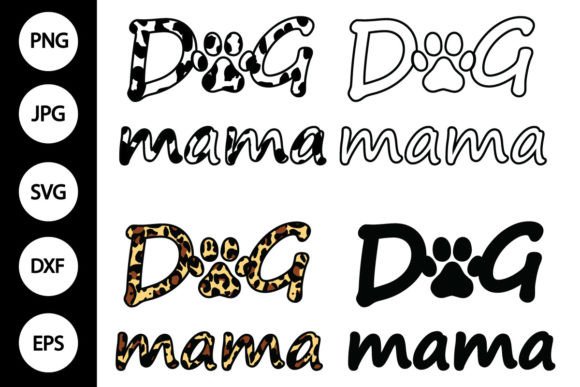
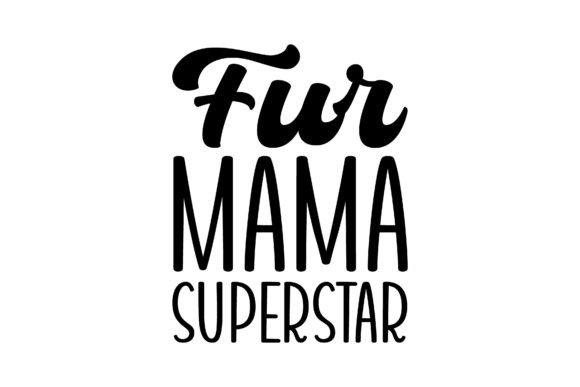
When I first opened the Dog Mama Svg Typography Design file, I was immediately struck by its clean, modern feel. The typography has a friendly, confident personality—it reads like something a proud pet owner would actually wear, not just another generic slogan. As someone who tests embroidery files before committing them to client work or my own small shop inventory, I’ve learned that a design’s first impression often tells you exactly where it belongs. This one belongs on products that feel personal, playful, and handmade with care.
The overall layout is balanced and approachable. The lettering isn't overly ornate, but it has enough shape to feel like a real statement piece. It doesn't try too hard, and that restraint is exactly what makes it work for so many different project types. Whether you're stitching it onto a sweatshirt, a tote bag, or a baby onesie, the design carries a warmth that customers recognize immediately. It says "I love my dog" without shouting. That emotional tone matters when you're building a handmade product line that people actually want to gift or wear out in public.
How This Design Performs in Real Embroidery Projects
I stitched a test version of the Dog Mama Svg Typography Design onto a medium-weight cotton sweatshirt using a standard hoop size, and I was pleased with how the lettering held its shape. The satin stitch areas tracked cleanly, and the fill stitch sections felt dense enough to give the letters weight without causing the fabric to pucker. That balance is hard to find in ready-to-use embroidery file downloads—many are either too light, leaving gaps, or too heavy, causing stabilizer headaches.
I also tested it on a tote bag design made from canvas. The thicker fabric handled the stitch density beautifully. The design sat flat, and the edges of each letter stayed crisp. For custom apparel projects like these, the digital embroidery file translated well across different substrate types. It didn't distort or shrink unnaturally, which tells me the original vector work was clean. If you're an Etsy seller or a small shop product maker, that reliability is worth a lot. It means fewer failed hoops and less wasted material.
I also tried it as an embroidered patch on a cap. The curve of the hat required careful hooping, but the design itself adapted reasonably well. The lettering is not overly wide, so it didn't wrap awkwardly around the front panel. For caps and hats, I would recommend using a tear-away stabilizer and testing on scrap fabric first to confirm the hoop size works for your machine. That said, the design's proportions make it a solid candidate for applique design work as well—just add a fabric background layer behind the letters for a pop of color.
Where to Use This Design Carefully
No design is perfect for every surface, and I want to be honest about where Dog Mama Svg Typography Design needs extra attention. If you're working with small hoop sizes—like a 4x4 hoop—you may need to scale the design down. At smaller sizes, the thinner strokes in some letters can become harder to stitch cleanly. This is true for most typography-based machine embroidery design files, but it's worth noting here because the design's charm comes from its readable, balanced letter shapes. Shrinking it too much can make those shapes lose their clarity.
On thin fabric or stretchy fabric, like a lightweight t-shirt or a knit baby onesie, the design needs a good stabilizer behind it. Without proper backing, the stitch density can cause the fabric to ripple or stretch out of shape. I recommend using a cut-away stabilizer for stretchy garments and a tear-away for wovens. If you're making baby embroidery items or nursery decor, keep the fabric soft but stable—cotton interlock or a quality knit works well.
Also, think about dark fabric vs. light fabric. The design as provided does not include a built-in underlay for heavy contrast on dark backgrounds. If you're stitching on a black sweatshirt with white thread, I suggest adding a light running stitch underlay or a double layer of thread colors for the fill areas. This ensures the letters don't look thin or washed out. For light fabric, the design reads beautifully right out of the file.
For curved surfaces like caps, or layered garments like jackets with zippers, test the design on a curved hoop setup first. The typography is not overly tall, which helps, but you still want to confirm that the bottom of the letters doesn't get lost in a seam or fold. I also suggest avoiding dense stitch areas near small details like corners of a pocket or the edge of a collar. Give the design room to breathe.
Visual Appeal, Product Value, and Customer Trust
When a customer sees a finished product featuring the Dog Mama Svg Typography Design, they see a piece that feels intentional. The handmade product looks like it was designed for them, not just pulled from a generic catalog. That visual appeal directly affects customer trust and buyer engagement. If the lettering is crisp, the spacing even, and the stitch quality clean, the product commands a higher perceived value. I have seen this firsthand with personalized gift orders—people are willing to pay more when the embroidery looks professional and thoughtful.
This design also works well for brand consistency. If you run a craft business or sell on platforms like Etsy, using a cohesive typography style across your design assets builds recognition. Customers start to associate your shop with a certain look and feel. The Dog Mama Svg Typography Design fits that role naturally. It's simple enough to be a staple, but distinctive enough to stand out among similar products.
In terms of giftability, this design hits a sweet spot. It's specific enough to feel personal, but general enough to appeal to a wide audience of dog lovers. Whether you're making a holiday gift, a wedding gift for a new pet parent, or a personalized product for a friend, the design carries emotional weight without being overly sentimental. That makes it easier to sell to different customer segments.
Practical Embroidery Designer Notes
Before you commit this design to a production run or a client order, here are a few things I always check. Test the design on scrap fabric first—use the exact fabric type you plan to stitch on. Examine the small details in the lettering, especially serifs or thin connections. If any part of a letter looks fragile at your chosen size, reinforce it with a slight increase in density or a narrow satin border.
Check your thread color contrast against the fabric. A light thread on a dark background will look different than a dark thread on a light background. I recommend creating a black and white mockup of the design to see how the shapes read without color distraction. You can do this easily with the PNG file provided in the ZIP. Compare the mockup on both light and dark fabric backgrounds before you choose your thread palette.
Confirm your hoop size matches the design dimensions after scaling. The files come in SVG File 300 dpi, EPS File 300 dpi, PNG File 300 Dpi, DXF File 300 dpi, and jpg File 300 dpi, but these are vector and raster formats for design editing and mockups—not native stitch files. You will need to convert them into your machine's format (like PES, DST, or JEF) using embroidery software. Check the stitch density and thread count after conversion, and inspect the digitized result before stitching. If the file doesn't include a built-in underlay, consider adding one for better registration.
Also, confirm the licensing before you use the design for commercial embroidery or digital product sales. The product description is clear that you receive the files for use, but you should verify whether you can sell finished products made from the design, and whether you can include it in printable mockup sets or other design assets. When in doubt, contact the seller. This step protects your craft business and ensures you're operating above board.
Finally, think about the end product. If you're creating a sweatshirt embroidery or a tote bag design for your small shop product line, the Dog Mama Svg Typography Design is a strong candidate. It's versatile enough for applique design work, standalone stitching, or even layered with other decorative elements. Just keep the fabric and stabilizer in mind, test thoroughly, and let the design speak for itself. Your customers will feel the care you put into every stitch.
Overall, I would recommend this design to embroidery designers, small business owners, crafters, Etsy sellers, handmade shop owners, apparel decorators, digital product sellers, creative entrepreneurs, hobbyists, and makers who want a reliable typography piece that works across a range of projects. It's not flashy, but it's effective—and in the embroidery world, that consistency is what builds a loyal customer base and a polished finished product line.